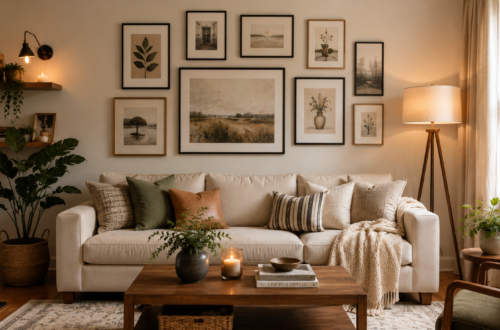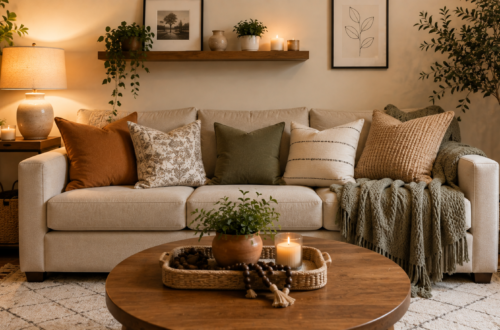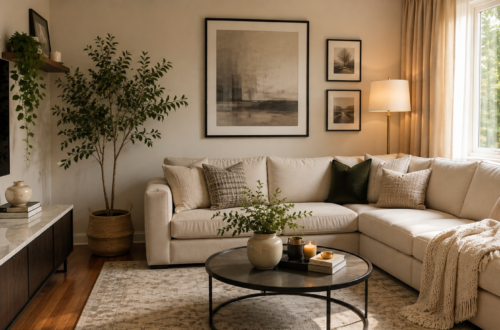
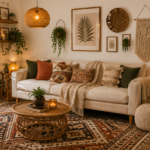
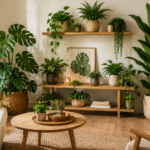
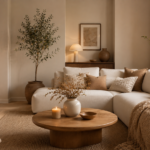
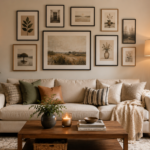
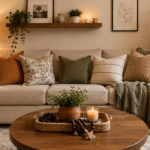
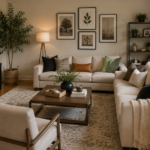
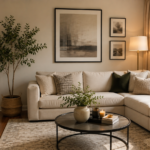

The good news: choosing living room furniture isn’t about taste alone. It comes down to a few practical decisions — size, layout, and how each piece works with the others. This guide walks through living room furniture ideas that actually hold up once the pieces are in your home. It also covers small living room furniture ideas for anyone working with a tighter footprint.
By the end, you’ll know how to measure a space properly and which pieces to prioritize. You’ll also learn how to arrange furniture for good flow and how to avoid the most common shopping mistakes.
Living Room Furniture Ideas: Start With Measurements, Not Style
It’s tempting to shop by style first. Scroll through a few inspiration photos, pick a look you like, then go find pieces that match it. This approach backfires more often than not. A sofa that looks perfect online can be several inches too deep for your actual room.
Before you shop, measure your living room’s length, width, and doorway width. Note where outlets, windows, and vents sit, since furniture placement has to work around them. Bring these measurements with you every time you shop, or keep them on your phone.
Living Room Furniture Ideas: Leave Room to Walk
A living room needs clear paths, not just open floor space. Aim for at least 30 inches of walking space between major pieces. Along a main walkway, closer to 36 inches works better. This single rule prevents most of the “why does this room feel tight” complaints people have after furniture arrives.
Small Living Room Furniture Ideas That Actually Work
Small rooms need a different strategy than large ones. It’s not just about buying smaller furniture — it’s about choosing pieces that do more with less space.
Choose Multi-Functional Pieces
A storage ottoman can double as a coffee table, extra seating, and a place to stash blankets. A daybed can work as both a sofa and a guest bed. These small living room furniture ideas matter most when every square foot needs to earn its place.
Pick Furniture With Visible Legs
Furniture with exposed legs, rather than pieces that sit flush on the floor, lets light travel underneath. This small detail makes a room feel more open. That’s true even when the furniture takes up the same amount of floor space.
Skip the Oversized Sectional
A large sectional can overwhelm a small living room, even if it technically fits. A loveseat paired with one or two accent chairs often works better. It can be rearranged more easily and doesn’t anchor the whole room to one bulky shape.
How to Choose the Right Sofa for Your Living Room
The sofa is usually the biggest financial and visual commitment in the room, so it deserves the most thought.
Living Room Furniture Ideas: Match Sofa Depth to Your Space
A deep, plush sofa looks inviting in photos, but in a small room it can eat up walking space fast. As a general guideline, a seat depth of 20 to 22 inches works well for most rooms. Anything deeper should be reserved for larger, more open layouts.
Consider How You’ll Actually Use It
Think about daily habits before shopping. Do you eat meals on the couch? Do pets or kids use it constantly? A durable, stain-resistant fabric will serve you better long-term. A delicate one might look nicer on day one but shows wear within months.
Don’t Overlook Delivery Access
Measure your doorways, hallways, and stairwells before ordering a large sofa. Plenty of people fall in love with a piece, only to find it can’t make it around a tight stairwell corner.
Arranging Living Room Furniture for Better Flow
Good furniture arrangement matters just as much as good furniture. A poorly arranged room can feel cramped even with modest, well-chosen pieces.
Living Room Furniture Ideas: Create a Clear Focal Point
Every well-arranged living room has one focal point, whether that’s a fireplace, a television, or a large window. Arrange seating to face or angle toward that focal point rather than scattering furniture around the room’s edges.
Float Furniture Away From Walls
Pushing every piece against the wall is a common instinct, especially in small rooms. It often wastes the center of the room. Floating a sofa a few inches away from the wall can improve flow. Angling a chair slightly does the same and makes seating feel more conversation-friendly.
Use a Rug to Anchor the Seating Area
A rug ties a furniture arrangement together and visually defines the seating area. For the best look, pick a rug large enough that your sofa and chair legs rest on top of it.
Budget-Friendly Living Room Furniture Ideas
You don’t need a large budget to build a living room that looks intentional and well put-together.
Budget Living Room Furniture Ideas: Prioritize the Pieces You Touch Most
Spend more on the sofa and less on side tables or accent pieces. The sofa gets the most daily use and has the biggest visual impact. This kind of prioritizing stretches a budget much further than spreading it evenly across every item.
Shop Secondhand for Solid Wood Pieces
Vintage and secondhand stores are excellent sources for coffee tables, bookshelves, and side tables built from solid wood. These pieces tend to outlast cheaper new furniture, often at a fraction of the price. If you’re also refreshing your bedroom, our guide to the best bedding for a master bedroom has similar budget-friendly upgrade ideas.
Refresh Instead of Replace
A worn sofa frame doesn’t always need replacing. A slipcover, new legs, or reupholstered cushions can extend its life for a fraction of the cost of buying new. Solid wood furniture is generally built to last for generations with basic care. That makes restoring existing pieces a genuinely practical option. If you’re planning updates room by room, our modern bedroom ideas guide takes a similar approach.
Common Living Room Furniture Mistakes to Avoid
A few patterns show up again and again in living rooms that don’t quite work:
- Buying furniture before measuring the room. This is the single most common mistake, and it leads to pieces that are too big, too small, or awkward to arrange.
- Choosing style over comfort. A striking chair nobody wants to sit in isn’t doing its job. Comfort should never be an afterthought.
- Ignoring scale between pieces. A massive coffee table paired with a small loveseat looks mismatched. Furniture pieces should feel proportionate to each other, not just to the room.
- Forgetting about traffic flow. Furniture arranged without clear walking paths makes even a spacious room feel cramped and awkward to move through.
Frequently Asked Questions
What furniture is essential for a living room? A sofa, a coffee table, some form of storage or media console, and at least one accent chair cover most living room needs. Lighting and a rug round out the basics. The exact list depends on room size and how the space gets used.
How do you arrange furniture in a small living room? Float furniture slightly away from the walls and choose multi-functional pieces like a storage ottoman. Keep a clear path of at least 30 inches between major pieces. Anchoring the seating area with a properly sized rug also helps a small room feel more organized.
What size sofa fits a small living room? A loveseat or a sofa with a seat depth of 20 to 22 inches typically works best in a small living room. It leaves more walking space without sacrificing comfortable seating.
Should furniture match in a living room? No — a room where every piece matches perfectly can feel more like a showroom than a home. Mixing finishes and styles slightly, while keeping a consistent color palette, usually looks more collected and personal.
How much space should be between living room furniture? Aim for at least 30 inches of walking space around major furniture pieces. Along a main walkway, closer to 36 inches keeps the room feeling open rather than obstructed.
Suggested Images and Alt Text
When you add images in WordPress, use alt text that includes the keyphrase or a natural variation so Yoast picks it up. A few suggestions:
- Hero image of a styled living room with sofa and chairs → alt: “living room furniture ideas with sofa and accent chairs”
- Close-up of a storage ottoman → alt: “small living room furniture ideas multi-functional ottoman”
- Wide shot of an arranged seating area → alt: “arranging living room furniture around a focal point”
- Secondhand wood coffee table → alt: “budget living room furniture ideas solid wood table”
Final Thoughts
Choosing living room furniture doesn’t have to feel overwhelming. Start with real measurements, prioritize the pieces you use every day, and arrange what you have around a clear focal point. These living room furniture ideas work whether you’re furnishing a large open space or a tighter one. Small living room furniture ideas help you make the most of every square foot.
Ready to start planning your layout? Measure your space this week, make a short list of must-have pieces, and build your room one intentional choice at a time.