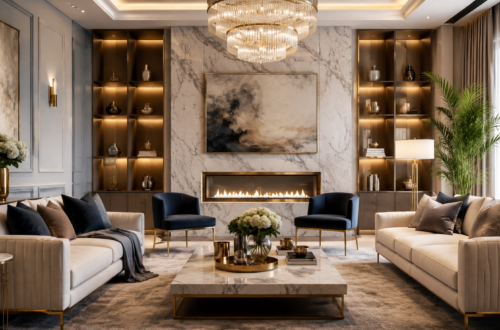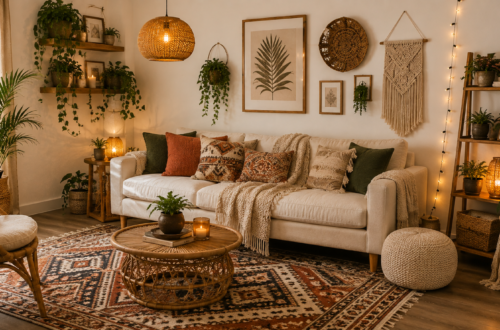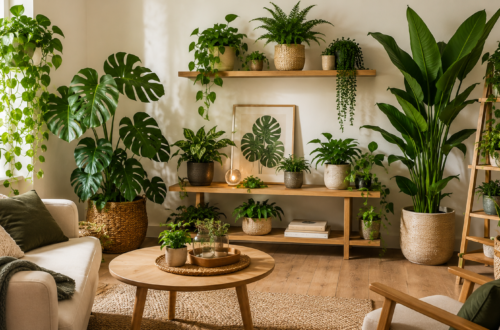
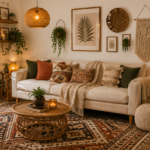
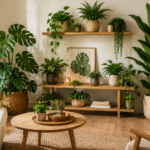
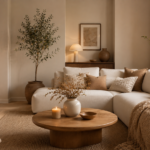
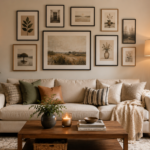
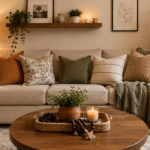
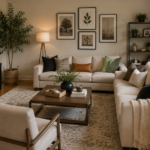
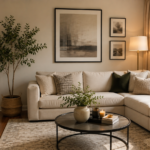

If the word “minimalism” makes you picture a stark white room with one lonely chair, you’re not alone. That version of minimalism looks nice in photos but feels cold to actually live in. This is exactly why warm minimalism decor has become the design approach so many people are switching to instead. It keeps the calm, clutter-free bones of minimalism, but layers in texture, natural materials, and softer light so the space actually feels like home.
In this guide, we’ll walk through ten practical ways to bring this cozy, pared-back style into your own space, plus how organic warm minimalism takes things a step further with natural, earthy materials. You’ll get real examples, simple swaps, and answers to the questions people ask most when they’re making this shift. Whether you’re redoing an entire living room or just want to soften one corner, there’s an idea here you can start on this weekend.
What Is Warm Minimalism Decor, Exactly?
Warm minimalism decor is a style that keeps minimalism’s core principle, less clutter and more intentional choices, while trading its coldest elements for warmth. Think soft neutrals instead of stark white, natural wood instead of glossy surfaces, and layered textiles instead of bare floors. Nothing is overcrowded, but nothing feels empty either.
Quick answer: Warm minimalism decor is minimalist design built around warm, earthy tones and natural textures rather than stark white and cold metal, so a room stays simple without feeling sterile.
Organic warm minimalism pushes this idea further by leaning almost entirely on natural, unprocessed materials: linen, raw wood, stone, clay, and rattan. Where standard warm minimalism might still use a sleek metal lamp, organic warm minimalism would swap it for one in hand-thrown ceramic or woven fiber. The result feels grounded, tactile, and a little imperfect in the best way.
1. Start Warm Minimalism Decor With a Warm, Neutral Color Palette
The easiest way into this look is through your wall and paint choices. Skip the bright white and cool gray, and reach for warmer neutrals instead: sand, oatmeal, terracotta, warm taupe, or soft clay. These tones still feel calm and uncluttered, but they don’t have that clinical edge.
Try this: Paint one accent wall in a warm terracotta or clay tone, then keep the rest of the room in a lighter, complementary neutral. It adds depth without overwhelming the space.
2. Layer in Natural Textures for an Organic Warm Minimalism Feel
Texture is what separates warm minimalism decor from plain minimalism. A room can be simple and still feel rich if you’re layering different natural materials together.
Bring in Wood, Wool, and Woven Fiber
A chunky wool throw, a woven jute rug, and a raw-edge wood coffee table can all live in the same room without competing, because they share an earthy, organic quality. This layering is the heart of organic warm minimalism: nothing is shiny or synthetic, and everything has a bit of visible grain or weave.
Mix Matte and Nubby Finishes
Matte ceramics, linen cushion covers, and boucle upholstery all add tactile warmth. Avoid high-gloss or overly polished finishes, since they tend to read as cold, even in a warm color palette.
3. Choose Warm Minimalism Decor Furniture With Soft, Rounded Lines
Sharp angles and hard edges can make a minimalist room feel severe. Furniture with soft, rounded silhouettes, curved sofa arms, round coffee tables, arched mirrors, immediately softens a space and fits naturally into this cozy, pared-back scheme. This is a small swap, but it changes the entire feel of a room.
4. Let Natural Light Do the Heavy Lifting in Warm Minimalism Decor
This style relies heavily on natural light rather than harsh overhead fixtures. Sheer or linen curtains let daylight filter in softly, and this alone can make a sparse room feel inviting instead of empty.
Practical tip: In the evening, swap bright white bulbs for warm-toned bulbs, around 2700K on the color temperature scale. This single change makes an enormous difference in how cozy a minimalist room feels after dark.
5. Add Warmth Through Wood Tones for an Organic Warm Minimalism Look
Wood is one of the fastest ways to add warmth to a minimalist room, and it’s a defining feature of organic warm minimalism specifically. A single wood element, a console table, floating shelves, or exposed ceiling beams, can anchor a whole room.
- Light oak or ash wood feels airy and Scandinavian
- Walnut or richer wood tones feel grounded and cabin-like
- Mixing two wood tones is fine as long as they share warm undertones
6. Keep Surfaces Clear, But Not Empty
True minimalism often means bare countertops and empty shelves. This approach takes a softer stance: surfaces stay uncluttered, but a few intentional objects, a stack of linen-bound books, a ceramic bowl, a single dried floral arrangement, keep things from feeling stark.
Quick answer: The difference between minimalism and warm minimalism is intentional styling. Minimalism removes almost everything; warm minimalism keeps a few meaningful, textural pieces on display.
7. Bring the Outdoors In With Greenery for Organic Warm Minimalism
Plants are one of the simplest ways to soften a minimalist space and are a staple of organic warm minimalism. A large fiddle leaf fig, a trailing pothos, or a cluster of small potted herbs adds life and organic shape without adding visual clutter.
8. Choose Warm Metals Over Cool Ones for Warm Minimalism Decor
If you’re using any metal accents, lighting, hardware, frames, lean toward warm tones like brass, bronze, or matte gold instead of chrome or brushed nickel. Cool metals can pull a room back toward that sterile, showroom feeling this style is designed to avoid.
9. Use Layered Lighting Instead of One Overhead Fixture
A single overhead light tends to flatten a room and make it feel more clinical. This look favors layered lighting instead: a floor lamp in one corner, a table lamp near the sofa, and maybe a few candles for evening ambiance. This layered approach creates warmth and depth even in a very simply furnished room.
10. Add Handmade or Imperfect Pieces for Organic Warm Minimalism
A slightly uneven ceramic vase, a hand-loomed rug with visible imperfections, or a piece of raw-edge pottery brings a human touch to a minimalist room. This is a defining trait of organic warm minimalism: it embraces natural imperfection instead of chasing flawless, mass-produced perfection. If you want to see how this same philosophy plays out with slightly higher-end finishes, our modern luxury decor guide is a helpful next read.
Warm Minimalism Decor vs. Traditional Minimalism
People often assume these are the same style, but the goals are a little different.
| Element | Traditional Minimalism | Warm Minimalism Decor |
|---|---|---|
| Color palette | White, gray, black | Sand, terracotta, warm taupe |
| Materials | Glass, chrome, glossy finishes | Wood, linen, wool, ceramic |
| Surfaces | Nearly bare | Uncluttered, with a few textural objects |
| Lighting | Bright, overhead | Warm-toned, layered |
| Overall feel | Clean, sometimes stark | Calm, cozy, still uncluttered |
For more design inspiration that blends simplicity with a richer, more elevated feel, take a look at our modern luxury decor ideas as well.
Frequently Asked Questions
What is warm minimalism decor? Warm minimalism decor is a design style that combines minimalist principles, like intentional furnishing and clutter-free surfaces, with warm colors, natural textures, and soft lighting so the space feels cozy rather than cold.
How is organic warm minimalism different from regular minimalism? Organic warm minimalism leans specifically on natural, unprocessed materials like raw wood, linen, wool, clay, and stone, and it embraces slight imperfections rather than sleek, uniform surfaces.
Is warm minimalism decor expensive to achieve? Not necessarily. Many of the core moves, changing your lightbulbs, adding a wool throw, swapping cool metal accents for warm ones, are inexpensive and can be done gradually over time.
What colors work best for warm minimalism decor? Warm neutrals work best: sand, oatmeal, terracotta, warm taupe, and soft clay tones. These colors keep a room feeling calm without tipping into the starkness of pure white or gray.
Can a small space handle warm minimalism decor? Yes. In fact, this approach often works especially well in small spaces, since the uncluttered layout keeps the room feeling open while the warm tones and textures prevent it from feeling cold or empty.
Final Thoughts: Making Warm Minimalism Decor Feel Like Home
Warm minimalism decor isn’t about owning less for the sake of it. It’s about choosing pieces that earn their place in the room, and making sure the ones you keep feel warm, textural, and lived-in. Start small: change your lightbulbs, add one wool throw, or bring in a single wood accent piece. From there, you can build toward a full organic warm minimalism look at whatever pace fits your space and budget.
Ready to bring warm minimalism decor into your own home? Browse our full collection of natural textiles, warm-toned lighting, and handmade decor pieces to get started today.