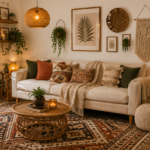
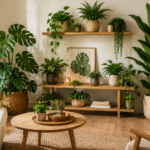
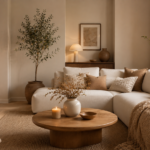
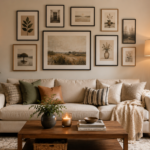
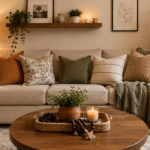
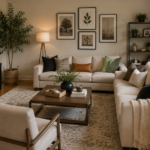
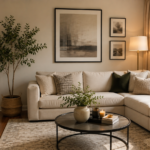

Walk into any home that feels calm, warm, and put-together, and chances are there’s greenery somewhere in the picture. Plants and natural decor have become one of the easiest, most affordable ways to make a house feel alive — without a full renovation or an expensive shopping trip. A few well-placed leaves can soften a bare corner, add color where paint can’t, and make a room feel like someone actually lives there and cares about it.
But there’s a difference between just owning plants and actually styling them. Anyone can plop a pot on a windowsill. Getting that magazine-worthy, natural look — the one where every plant seems to belong exactly where it is — takes a bit more thought.
In this guide, you’ll learn how to pick the best indoor plants for home decoration, where to place them for maximum visual impact, how to mix planters and textures like a pro, and how to keep everything alive long enough to actually enjoy it. Whether you’re decorating a studio apartment or a full house, these tips work with any budget and any level of “plant parent” experience.
Why Plants and Natural Decor Work So Well Together in Any Home
There’s a reason interior designers keep coming back to greenery. Plants do something furniture and wall art simply can’t — they bring texture, movement, and a living quality into a space. A room full of hard edges (sofas, tables, shelves) instantly feels softer once you add a trailing pothos or a tall fiddle leaf fig.
Natural decor also taps into something designers call biophilic design — the practice of bringing natural elements into built spaces to help people feel more connected to nature. That’s a fancy way of saying: greenery makes people feel good, and that feeling shows up in how a home is experienced, not just how it looks in photos.
Beyond the wellness angle, plants are also budget-friendly. A $10 pothos cutting can fill visual space that would otherwise cost hundreds in decor.
Choosing the Best Indoor Plants for Home Decoration
Before you start arranging anything, you need plants that will actually survive in your home. The most beautiful shelf styling in the world won’t matter if the plant is dead in three weeks.
Consider Your Light Before Choosing Indoor Plants
Light is the single biggest factor in plant success, and it’s the one most beginners ignore. Walk through your home and notice which rooms get bright, direct sun, which get soft indirect light, and which stay dim most of the day.
- Bright, direct light (south-facing windows): succulents, cacti, croton
- Medium, indirect light (east or west windows): pothos, philodendron, peace lily
- Low light (north-facing rooms, interior spaces): snake plant, ZZ plant, cast iron plant
Popular Indoor Plants That Double as Natural Decor
Some plants are popular specifically because they look great and decorate well:
- Fiddle Leaf Fig – large glossy leaves, works as a statement piece in a living room corner
- Snake Plant – sculptural, upright, nearly impossible to kill
- Pothos – trailing vines perfect for shelves and hanging decor
- Monstera Deliciosa – bold, tropical leaves that photograph beautifully
- Rubber Plant – deep green, glossy, great for a modern aesthetic
- Peace Lily – soft white blooms, adds a touch of elegance
If you’re new to plant care, start with two or three low-maintenance varieties before expanding your collection. Confidence builds faster than most people expect once you get the hang of a watering rhythm.
Best Placement Tips for Styling Plants and Natural Decor
Where you put a plant matters just as much as which plant you choose. Good placement makes even a $15 plant look intentional.
[Suggested image: layered plant shelf styling — alt=”best indoor plants for home decoration on a shelf”]
Create Visual Layers
Designers often talk about “layering” a room — mixing heights so the eye moves naturally around the space. Try combining:
- A tall floor plant in an empty corner
- A medium plant on a side table or bookshelf
- A small plant on a windowsill or desk
This layering trick alone can make a room feel finished, even if the furniture hasn’t changed at all.
Use Hanging Plants as Natural Decor for Empty Air
Wall space and ceiling corners are often ignored in home styling, but they’re prime real estate for greenery. Hanging plants add movement and draw the eye upward, which makes rooms feel taller and more open. If you’re short on floor or shelf space, this is one of the most effective natural decor tricks available. For a full breakdown of easy varieties and setups, check out this guide on easy hanging plants for indoor decor.
Group Plants in Odd Numbers
This is an old design trick that works surprisingly well with plants: grouping three or five pots together (instead of two or four) tends to look more natural and less staged. Vary the pot sizes slightly for the best effect.
Planters and Pots: Finishing Touches for Natural Decor
The plant itself is only half the equation — the pot it sits in shapes the entire look.
[Suggested image: a variety of ceramic and rattan planters — alt=”natural decor planters for indoor plants”]
Match Pots to Your Room’s Color Palette
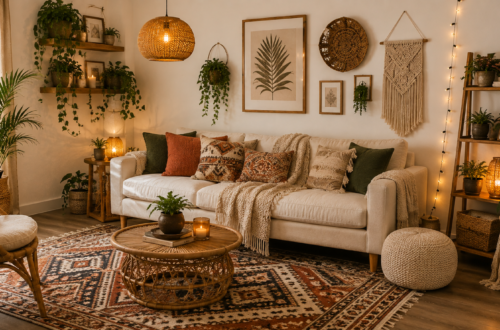
If your space leans neutral and minimal, stick with terracotta, white ceramic, or woven rattan planters. For a bohemian or eclectic look, mix patterns, colors, and textures freely. A good rule of thumb: pick one or two pot materials and repeat them throughout the space so the styling feels cohesive rather than random.
Mix Textures for Depth
Natural decor thrives on texture contrast. Pair a smooth ceramic pot with a rough woven basket cover, or place a glossy-leafed plant next to a fuzzy, textured one. This mix keeps a space visually interesting without adding clutter.
Don’t Forget Drainage
A pot without drainage holes is one of the most common causes of plant death. If you love a decorative pot without a drainage hole, use it as an outer “cachepot” and keep the plant in its plastic nursery pot inside.
Room-by-Room Ideas for Plants and Natural Decor
[Suggested image: a cozy bedroom corner with a snake plant — alt=”best indoor plants for home decoration in bedroom”]
Living Room Plants and Natural Decor
This is usually where a statement plant belongs — think fiddle leaf fig or a tall dracaena in an empty corner. Add a smaller trailing plant on a coffee table or shelf to balance it out.
Bedroom Indoor Plants for a Calm Aesthetic
Keep it calming. A peace lily or snake plant on a nightstand or dresser adds softness without overwhelming a space meant for rest.
Kitchen
Herbs double as decor and function here. A row of potted basil, mint, or rosemary on a windowsill looks fresh and gets used in actual cooking.
Bathroom
Humidity-loving plants like ferns or pothos do well here, especially near (not directly in) a shower where steam collects.
Home Office
A desk plant like a small succulent or pothos cutting adds a bit of life to a workspace without demanding much attention during a busy day.
Caring for the Best Indoor Plants for Home Decoration
Styling gets you the look; care keeps it alive. A few habits go a long way:
- Check soil before watering. Stick a finger an inch into the soil — if it’s dry, water; if it’s damp, wait.
- Wipe leaves occasionally. Dust builds up and blocks light absorption, especially on broad-leafed plants like monstera or rubber plants.
- Rotate pots every few weeks. This keeps plants growing evenly instead of leaning toward the light source.
- Watch for yellow leaves. This is usually a sign of overwatering, not underwatering — a common beginner mistake.
- Repot when roots outgrow the container. Roots poking through drainage holes are a clear sign it’s time to size up.
Frequently Asked Questions About Plants and Natural Decor
What are the best indoor plants for home decoration if I have low light? Snake plants, ZZ plants, and pothos are the top choices for low-light spaces. They tolerate dim conditions well and still bring the lush, decorative look people want from natural decor.
How many plants should I put in one room? There’s no fixed number, but a good starting point is one larger statement plant plus two or three smaller ones at different heights. This creates the layered look designers aim for without making a room feel crowded.
Do fake plants work for natural home decor? High-quality faux plants can work in low-light spots or for people who travel often, but real plants add benefits like improved air quality and a genuine sense of life that artificial ones can’t fully replicate.
How often should I water my indoor plants? It depends on the plant, but most common houseplants need watering every 1–2 weeks. Always check the soil moisture first rather than watering on a fixed schedule.
Can plants really improve how a home feels, or is that just a decor trend? It’s backed by more than trend appeal. Natural elements in a living space are consistently linked to lower stress and a greater sense of comfort, which is part of why biophilic design has stuck around rather than fading like other decor fads.
Final Thoughts on Styling Plants and Natural Decor
Styling a home with plants and natural decor isn’t about owning dozens of pots or having a green thumb from birth. It’s about choosing a few plants that suit your light, placing them with intention, and picking pots that tie the whole look together. Start small — one statement plant and a couple of easy-care companions — and build from there as your confidence grows.
Ready to bring more greenery into your space? Start with one room this weekend, pick two or three plants from the list above, and see how much warmth a little natural decor can add to your home.