


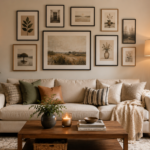
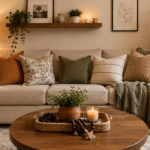
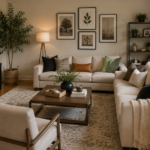
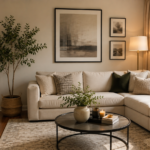

Walk into two homes with identical furniture and paint colors. You’ll still feel a difference the moment you step through the door. Nine times out of ten, that difference is lighting. Good home lighting ideas aren’t about buying the priciest fixture in the store. They’re about understanding how light shapes the way a room feels. Then you use a few simple layers to get there.
Maybe your living room looks flat under one overhead bulb. Maybe your bedroom feels more like a waiting room than a place to unwind. You’re not alone. This guide walks through practical, budget-friendly home lighting ideas for every room in the house. It puts a special focus on cozy bedroom lighting, so you can create spaces that actually feel like home.
By the end of this article, you’ll know:
- How to layer light sources the way professional designers do
- Which lamp styles work best for each room
- How to pick the right bulb temperature and brightness
- Easy, low-cost lighting upgrades that make a big visual impact
- Answers to the most common lighting questions homeowners ask
Why Home Lighting Ideas Matter More Than You Think
Lighting affects mood, focus, and even sleep quality. A room lit by one harsh overhead bulb tends to feel cold. This holds true no matter how nice the furniture is. A room with several soft light sources feels different. Placed at varying heights, they make a space feel warm and lived-in almost instantly.
Interior designers rely on a concept called “layered lighting.” It combines three types of light:
- Ambient lighting – the general light that fills a room (ceiling fixtures, recessed lights)
- Task lighting – focused light for specific activities (reading lamps, desk lamps)
- Accent lighting – decorative light that highlights art, shelves, or architectural features
The best home lighting ideas almost always mix all three. Relying on one bright source rarely works. This is the single biggest shift you can make if your rooms feel flat or sterile.
Living Room Lighting Ideas That Feel Warm and Inviting
The living room is where layering makes the most visible difference. Here’s how to break it down:
Start With a Statement Floor Lamp
A tall floor lamp behind a reading chair or beside a sofa does two things at once. It fills a dark corner. It also adds ambient light without competing with your overhead fixture. Look for lamps with fabric or paper shades. These diffuse light more softly than exposed bulbs.
Add Table Lamps in Pairs
Place matching table lamps on either end of a console table or sofa. This creates visual balance and doubles your light coverage. It’s one of the easiest home lighting ideas to execute. No electrical work is needed, just an outlet.
Use Dimmers for Flexibility
A simple plug-in dimmer switch changes everything. You can shift from bright, functional light during the day to a softer glow at night. This single upgrade often has the biggest impact on how “cozy” a room feels. If you’re also updating your decor, check out our Minimalist Modern Kitchen Cabinets: How to Achieve a Clean, Sleek Look for tips on matching styles.
Cozy Bedroom Lighting: The Room Where Lighting Matters Most
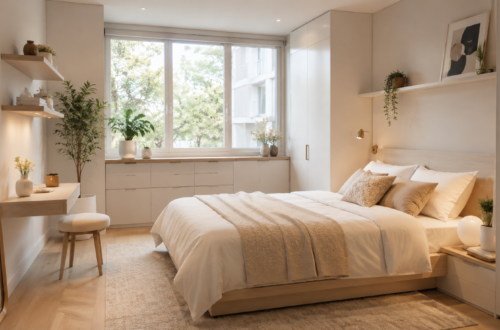
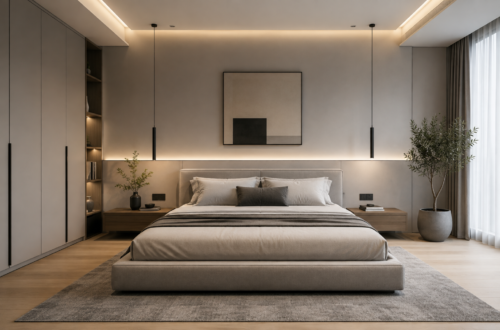
The bedroom benefits the most from thoughtful lighting, more than any other room. This is where cozy bedroom lighting becomes a wellness decision, not just a design choice. Harsh, bright light before bed can interfere with your body’s ability to wind down.
Choose Warm-Toned Bulbs
Look for bulbs labeled 2700K to 3000K on the packaging. This range produces a warm, amber-tinted light similar to candlelight. It feels far more relaxing than the bluish-white light found in office buildings, which often runs 5000K or higher. For a deeper look at color temperature, the U.S. Department of Energy’s guide to lighting choices is a helpful reference.
Layer Bedside Lighting
Instead of one ceiling light, try:
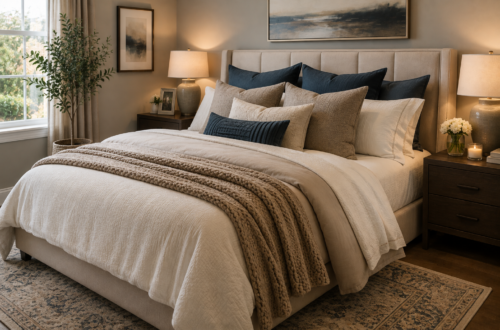
- A small table lamp on each nightstand for reading
- A dimmable overhead fixture or plug-in wall sconce for general light
- String lights or a single accent lamp on a dresser for subtle ambiance
This layered approach is the foundation of good cozy bedroom lighting. It also gives you flexibility. Keep it bright enough to get dressed in the morning, and soft enough to read before sleep.
Consider Smart Bulbs
Smart bulbs adjust color temperature and brightness through a phone app or voice assistant. You can shift from a bright “getting ready” mode to a warm “wind down” mode. No extra fixtures needed. Many budget options now cost under the price of a few regular light bulbs.
Kitchen and Dining Room Lighting Ideas
Kitchens need brighter, cooler light for tasks like chopping and reading recipes. That doesn’t mean the whole room has to feel clinical.
- Under-cabinet lighting eliminates shadows on countertops. It also adds a soft glow at night when the main lights are off.
- Pendant lights over an island double as task and accent lighting. They’re one of the most requested upgrades in kitchen renovations.
- A dimmable chandelier or pendant over the dining table lets you shift the mood. Go from bright weeknight dinners to a softer, restaurant-like glow for guests.
Home Office Lighting Ideas for Focus and Comfort
If you work from home, lighting directly affects eye strain and productivity.
- Position your desk lamp so light falls across your workspace. Avoid pointing it directly into your eyes or onto your screen, which causes glare.
- Use a bulb in the 4000K–5000K range for focus-driven tasks. Cooler light tends to support alertness.
- Add a secondary warm lamp for evening hours. This keeps the space from feeling jarring once natural light fades.
Bathroom Lighting: Small Room, Big Impact
Bathrooms are often overlooked in home lighting ideas discussions. Good lighting here matters for both function and mood.
- Install lighting on either side of the mirror, not just above it. This reduces shadows on the face.
- Choose bulbs close to daylight (4000K–5000K) near mirrors. This gives accurate color rendering for makeup or shaving.
- Add a dimmer or a small accent light for late-night visits. Nobody wants a bright light blasting at 2 a.m.
Budget-Friendly Lighting Upgrades Anyone Can Do
You don’t need a renovation budget to improve your home’s lighting. A few low-cost changes include:
- Swapping harsh white bulbs for warm-toned ones throughout common areas
- Adding plug-in dimmer switches to existing lamps
- Introducing one new floor or table lamp to a dark corner
- Using battery-powered LED puck lights inside cabinets or under shelves
- Layering in string lights for a soft, temporary glow in bedrooms or reading nooks
These small, inexpensive changes are often the most practical home lighting ideas. They work especially well for renters or anyone hesitant to make permanent changes.
Frequently Asked Questions About Home Lighting Ideas
What is the best lighting for a cozy bedroom? The best cozy bedroom lighting combines warm-toned bulbs (2700K–3000K) with multiple layered sources. Think bedside lamps, a dimmable overhead light, and optional accent lighting. Skip the single bright fixture.
How many lamps should a living room have? Most designers recommend at least three light sources in a living room. Use one ambient source (ceiling light or floor lamp), one or two task lamps, and one accent light, such as a lamp on a bookshelf.
What color temperature is best for home lighting? For relaxing spaces like bedrooms and living rooms, choose 2700K–3000K (warm white). For task-focused areas like kitchens, bathrooms, and home offices, 4000K–5000K (cool white) works better.
Are smart bulbs worth it for home lighting? Smart bulbs are worth it if you want flexibility without buying multiple fixtures. They let you adjust brightness and color temperature throughout the day. This is especially useful for bedrooms transitioning from day to night.
How can I make my room cozy without replacing all my lighting? Start with the cheapest changes first. Swap bulbs to a warmer color temperature. Add a plug-in dimmer. Introduce one new lamp to a dim corner. These small adjustments often make a noticeable difference.
Final Thoughts: Small Lighting Changes, Big Difference
Good lighting is one of the most overlooked tools for making a house feel like home. You don’t need a design degree or a big budget. Just layer a few light sources instead of relying on one overhead bulb. Whether you’re refreshing your living room or fixing that harsh bedroom light, these home lighting ideas give you a clear, practical starting point.
Ready to warm up your space? Start with one room this weekend. Swap a bulb, add a lamp, or install a simple dimmer. See how much of a difference it makes before tackling the rest of your home..Lamp