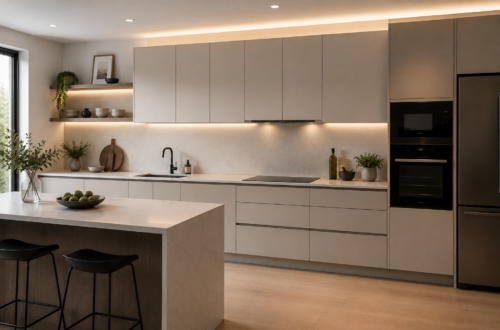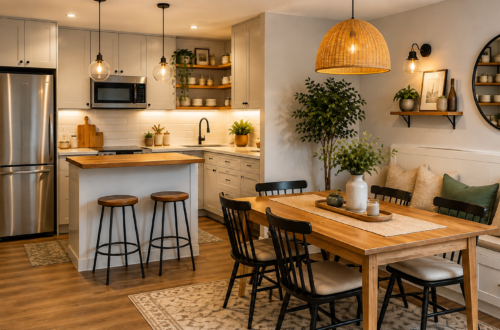








You open a cabinet looking for a lid, and three others fall out with it. You own two garlic presses because you couldn’t find the first one. If you’ve been searching for how to organize a kitchen without a full renovation, you’re not dealing with a storage problem — you’re dealing with a system problem.
Learning how to organize a kitchen isn’t about buying more bins or making your shelves look like a magazine spread. It’s about setting up a layout that matches how you actually cook, so everything has one home and finding it takes seconds, not minutes.
In this guide, you’ll get a room-by-room breakdown, practical kitchen cabinet organization ideas, drawer-specific tips, and answers to the questions people ask most when they finally decide to tackle this project.
Why Most Kitchens End Up Disorganized
Before diving into fixes, it helps to know why kitchens go sideways in the first place. Most of the time, it’s not clutter — it’s mismatched storage. People place items wherever there’s empty space rather than where they actually use them. A cutting board ends up three cabinets away from the knife drawer. Spices split between two different shelves instead of sitting together. Over time, small mismatches add up to a kitchen that feels chaotic even if it isn’t objectively full.
The fix starts with a simple principle: store items near where you use them, grouped by task, not by category.
Step 1: How to Organize a Kitchen — Empty Everything Out First
Take Everything Off the Shelves
It’s tempting to skip this step and just shuffle things around, but a real reset only works if you start from zero. Pull everything out of your cabinets and drawers and lay it out on the counter or table so you can actually see what you own.
Sort Into Four Piles
As you go, sort items into:
- Keep and use often
- Keep but use rarely (holiday dishes, large roasting pans)
- Donate or sell
- Trash (cracked containers, duplicate gadgets, expired spices)
This step alone usually clears out 15-20% of what you’d crammed into your cabinets, which makes every following step easier.
Step 2: How to Organize a Kitchen by Grouping Items Into Zones
This is the core of any effective approach to how to organize a kitchen, so it’s worth doing carefully.
Cooking Zone
Pots, pans, oils, and utensils belong near the stove. If you have a cabinet within arm’s reach of the range, that’s prime real estate for your most-used cookware.
Prep Zone
Cutting boards, knives, mixing bowls, and measuring cups should live near your main counter workspace, ideally in the drawer or cabinet closest to where you actually chop and mix.
Storage Zone
Food storage containers, wraps, and bags go together, near the fridge if possible. Nest containers inside each other and keep lids in a shallow bin or vertical organizer instead of a loose pile.
Everyday Dish Zone
Plates, bowls, and glasses should sit near the dishwasher or sink, since you’ll put them away there after every wash.
Kitchen Cabinet Organization Ideas That Actually Work
Once your zones are mapped out, it’s time to fit each cabinet with the right system. These kitchen cabinet organization ideas apply whether you have a small apartment kitchen or a large family setup.
Vertical Dividers: A Simple Kitchen Cabinet Organization Idea
Stacking baking sheets, cutting boards, and pan lids flat means digging through a pile every time you need the bottom item. Vertical dividers turn that stack into slots, so each item slides out without disturbing the rest.
Add Pull-Out Shelves to Deep Cabinets
Deep lower cabinets are notorious for swallowing items in the back. A pull-out shelf or wire basket brings everything forward, so you’re not kneeling on the floor and reaching blind.
Lazy Susan for Corner Cabinets: How to Organize a Kitchen’s Toughest Spot
Corner cabinets are the hardest to use efficiently. A lazy Susan turns that dead corner into accessible space for oils, spices, or canned goods, since everything rotates into view instead of getting lost.
Use Stackable Bins for Canned and Boxed Goods
Grouping canned goods, pasta boxes, and snacks into labeled bins keeps pantry-style cabinets from turning into a jumble. It also makes it obvious when you’re running low on something, since the bin visually empties out.
Drawer Organization That Matches How You Cook
Drawer Dividers for Utensils: A Core Kitchen Cabinet Organization Idea
A single drawer divider tray keeps spatulas, whisks, and serving spoons from tangling together. Choose adjustable dividers if your drawer size is nonstandard.
Separate Junk Drawer Items Into Small Bins
Every kitchen has a catch-all drawer. Instead of banning it (which never works), contain it. Small labeled bins for rubber bands, twist ties, batteries, and takeout menus keep the chaos boxed in rather than spread across the whole drawer.
Store Knives in a Blade-Safe Tray
Loose knives in a drawer are a safety hazard and dull the blades over time. An in-drawer knife tray keeps them separated, accessible, and protected.
Pantry and Under-Sink Organization Tips
Label Everything at Eye Level
Labels aren’t just for looks. When you label containers clearly, everyone in the household can put things back correctly, which is what actually keeps a system working long-term.
Use Risers for Visibility
Shelf risers let you see cans and jars in the back row without moving the front row, similar to how a lazy Susan solves the corner cabinet problem.
Keep Cleaning Supplies in a Caddy
Under the sink, a removable caddy for sprays and sponges makes it easy to pull everything out at once for cleaning day, rather than reaching around pipes for each item individually.
How to Organize a Kitchen and Keep It That Way Long-Term
Getting organized is one project. Staying organized is a habit. A few small routines make the difference:
- Do a 5-minute reset each night. Put stray items back into their zones before bed.
- Do a seasonal check every 3 months. Pull out anything that migrated to the wrong spot and re-sort.
- Avoid “just this once” placement. Putting something in the wrong cabinet because it’s faster in the moment is how systems break down. It only takes a few extra seconds to put it where it belongs.
Common Mistakes When Organizing a Kitchen
- Buying storage bins before decluttering. Organizing clutter just makes it look neater without actually solving the problem.
- Ignoring vertical space. Many cabinets have several inches of unused air space above stacked items. Risers and stackable shelves use that space.
- Over-customizing with too many gadgets. Single-use organizers for very specific items (like a dedicated banana holder) often take up more room than they save.
Frequently Asked Questions
What is the best way to organize a kitchen with limited cabinet space? Group items by how often you use them, and store daily-use items at eye level or within arm’s reach. Rarely used items, like holiday dishes, can go on high shelves or in a separate storage area outside the kitchen entirely.
How do I organize kitchen cabinets on a budget? Start by decluttering before buying anything. Many kitchens have enough storage once expired products and duplicate gadgets are removed. From there, inexpensive dividers, shoebox-style bins, and repurposed containers can handle most kitchen cabinet organization ideas without a big spend.
Should I organize by category or by how I use the kitchen? By use. Grouping “all bakeware together” sounds tidy, but if your mixing bowls are on the opposite side of the kitchen from your measuring cups, you’ll walk back and forth every time you bake. Zone-based organization, grouped by task, is more efficient day to day.https://homedecornestify.com/small-kitchen-dining-room-ideas/
How often should I reorganize my kitchen? A quick nightly reset keeps things from sliding into clutter, but you’ll usually only need a full reorganization once or twice a year, or after a big move, renovation, or lifestyle change like a new baby or a shift to more home cooking.
What’s the easiest kitchen area to start organizing first? The junk drawer or the space under the sink. Both are small, contained areas that give you a quick win and build momentum before tackling larger cabinets.
Final Thoughts
Knowing how to organize a kitchen comes down to three things: clearing out what you don’t need, grouping items by how you actually cook, and choosing simple tools like dividers, bins, and risers to keep everything visible. None of it requires a full renovation — just an afternoon and a clear plan.
If you’re tackling other rooms next, check out our guides on Modern Luxury Decor: How to Create a High-End Look on a Budget for the same zone-based approach applied elsewhere in the home.
Ready to get started? Pick one cabinet or drawer today, empty it completely, and rebuild it using the zone method above. Once you see how much faster it is to find what you need, the rest of the kitchen will follow.