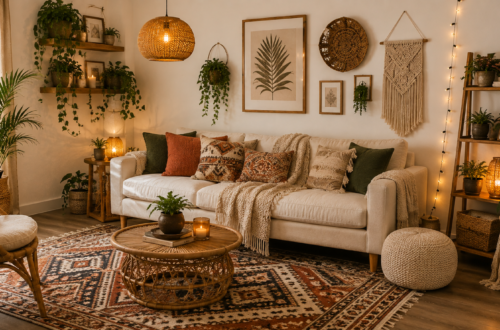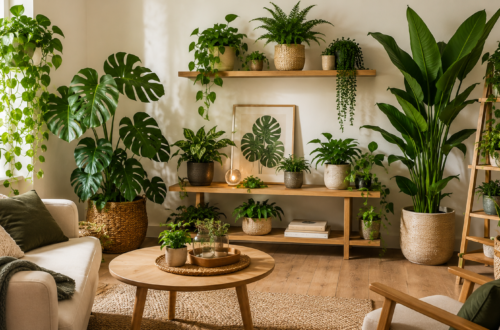

Looking for easy care hanging plants for indoor decor that actually survive past week two? You’re in the right place. Walk into any plant-filled home and your eyes probably go straight up. There’s something about a lush trail of green cascading from a macrame hanger or a shelf edge that instantly makes a room feel alive. But if your last houseplant didn’t survive the month, you might be hesitant to add “keep a hanging plant alive” to your to-do list.
Here’s the good news: you don’t need a green thumb to pull this off. A handful of trailing varieties are practically built for neglect — they forgive missed watering days, tolerate average light, and still reward you with the lush, jungly look you see all over Pinterest and Instagram.
In this guide, we’re covering seven of the easiest care hanging plants for indoor decor, why each one works so well for beginners, and exactly how to keep them thriving. Whether you’re decorating a small apartment, a sunny kitchen window, or a home office that could use some life, you’ll find something here that fits your space and your schedule.
Why Hanging Plants for Indoor Decor Are Trending
Hanging plants aren’t just a design trend — they solve a real decorating problem. Floor space and shelf space are limited, but ceiling space and wall space usually aren’t. Suspending greenery lets you add texture, color, and softness to a room without eating into your square footage.
They also do something flat decor can’t: they create movement. A trailing vine draped over a bookshelf or spilling out of a hanging planter draws the eye up and softens hard lines like exposed beams, blank walls, or boxy furniture. For renters and small-space dwellers especially, hanging plants are one of the most efficient ways to make a room feel finished.
And practically speaking, the best trailing plants for home decor tend to be some of the most forgiving plants you can own. Their vining growth habit often comes paired with thick, water-storing leaves or resilient root systems — traits that also happen to make them low-maintenance.
What Makes an Indoor Hanging Plant Easy to Care For?
Before jumping into the list, it helps to know what separates a fussy plant from an easy one. Look for these traits:
- Tolerance for inconsistent watering. The best beginner plants forgive you if you forget a week.
- Adaptability to average indoor light. Not every home has a bright south-facing window, so flexibility matters.
- Resistance to common pests. Fewer bugs means less maintenance and worry.
- Slow to moderate growth. You want lushness, not a plant that needs repotting every two months.
- Easy propagation. Bonus points if you can snip a cutting and grow a new plant for free.
Every plant on this list checks most, if not all, of these boxes. For a deeper dive into watering schedules, check out our Stop Dressing Boring: Try Boho Chic!, and if you’re just starting out, our Modern Luxury Decor: How to Create a High-End Look on a Budget is a great next stop.
Our Picks: Easy Care Hanging Plants for Indoor Decor
Below are seven of the best trailing plants for home decor, chosen specifically because they’re forgiving, widely available, and easy to find at most garden centers or through an Hanging plant. Each one is well suited to beginners and busy households alike.
1. Pothos – Easy Indoor Hanging Plant (Epipremnum aureum)
If there’s a single plant that belongs on every “easy hanging plants” list, it’s pothos. It’s often the first recommendation nurseries give to new plant owners, and for good reason.
Why it’s easy: Pothos tolerates low light, irregular watering, and even a little neglect. Its heart-shaped leaves come in varieties like Golden, Marble Queen, and Neon, so you can match it to your color palette.
Care basics:
- Water only when the top inch or two of soil feels dry
- Thrives in medium, indirect light but survives in lower light too
- Trim vines to encourage fuller, bushier growth
- Propagates easily in a glass of water
Best for: Bookshelves, kitchen corners, and offices with fluorescent lighting.
2. Heartleaf Philodendron – Indoor Hanging Plant Favorite
Often confused with pothos, heartleaf philodendron has a similar cascading habit but with softer, glossier leaves and a slightly faster growth rate.
Why it’s easy: This plant is remarkably adaptable. It handles low light better than most trailing plants and isn’t picky about humidity levels, making it ideal for homes with dry indoor air.
Care basics:
- Water when the soil feels dry to the touch
- Avoid direct sunlight, which can scorch the leaves
- Feed lightly during spring and summer for fuller growth
- Wipe leaves occasionally to keep them dust-free and glossy
Best for: Hanging baskets in living rooms or bedrooms where a soft, romantic look is the goal.
3. String of Pearls – Trailing Indoor Hanging Plant (Senecio rowleyanus)
For a more sculptural, conversation-starting look, string of pearls is hard to beat. Its bead-like leaves dangle in long strands, almost like a living necklace.
Why it’s easy: As a succulent, it stores water in its leaves, which means it actually prefers to be under-watered rather than over-watered — a relief for anyone prone to forgetting plant care.
Care basics:
- Water deeply but infrequently, letting soil dry out completely between waterings
- Needs bright, indirect light; a few hours of gentle direct sun is fine
- Use a well-draining succulent or cactus mix
- Avoid misting, which can cause rot
Best for: Sunny windowsills, bathrooms with good light, or minimalist and boho-style spaces.
4. Spider Plant – Air-Purifying Indoor Hanging Plant (Chlorophytum comosum)
Spider plants have been a staple of home decor for decades, and they’ve earned their reputation. Their arching, striped leaves and dangling baby “spiderettes” give them a naturally full, elegant look.
Why it’s easy: Spider plants are nearly indestructible. They tolerate a wide range of light conditions, bounce back quickly from underwatering, and actively purify indoor air.
Care basics:
- Water when soil is dry about an inch down
- Prefers bright, indirect light but adapts to lower light
- Brown leaf tips usually mean tap water minerals or dry air — try filtered water
- Baby plantlets can be snipped and rooted to create new plants
Best for: Kitchens, offices, and anyone who wants a plant that also cleans the air.
5. English Ivy – Classic Indoor Hanging Plant (Hedera helix)
For a classic, cottage-core aesthetic, English ivy delivers dense, trailing foliage that looks beautiful spilling from a high shelf or hanging basket.
Why it’s easy: While it does prefer slightly more consistent care than some plants on this list, English ivy is still very manageable and tolerates cooler indoor temperatures better than most houseplants.
Care basics:
- Keep soil lightly moist but never soggy
- Place in bright, indirect light for the fullest growth
- Trim regularly to prevent legginess and encourage bushiness
- Increase humidity with occasional misting if your home is very dry
Best for: Bedrooms, reading nooks, and traditional or farmhouse-style interiors.
6. Burro’s Tail – Succulent Indoor Hanging Plant (Sedum morganii)
Another standout succulent, burro’s tail features tightly packed, teardrop-shaped leaves along trailing stems that can grow several feet long over time.
Why it’s easy: Like other succulents, it’s built to survive drought conditions, making it one of the most forgiving plants for people who travel often or simply forget to water on schedule.
Care basics:
- Water sparingly, only when soil is completely dry
- Needs bright light, ideally a few hours of direct sun daily
- Handle gently — the leaves detach easily, though this also makes propagation simple
- Avoid frequent repotting, as it prefers being slightly root-bound
Best for: Bright kitchen windows or sunrooms where its cascading, textural look can shine.
7. String of Hearts – Delicate Indoor Hanging Plant (Ceropegia woodii)
If you want something delicate and eye-catching without a lot of upkeep, string of hearts is a favorite among plant collectors and beginners alike.
Why it’s easy: This semi-succulent vine stores water in its heart-shaped leaves and thin tuberous roots, so it’s quite drought-tolerant and rarely bothered by pests.
Care basics:
- Let soil dry out fully between waterings
- Thrives in bright, indirect light with some direct morning sun
- Grows small tubers along its vines that can be used to propagate new plants
- Avoid overwatering, which is the most common cause of problems
Best for: Small pots on plant stands or shelves where its thin vines can drape freely.
How to Style Hanging Plants for Indoor Decor
Choosing easy care hanging plants for indoor decor is only half the equation — how you display them matters too. Make sure any hanging hardware you use is rated to hold a soil-filled pot; the ASPCA’s list of plant safety information is also worth checking if you share your home with pets, since a few of these varieties, like pothos and English ivy, are toxic to cats and dogs. A few styling tips:
- Vary the heights. Stagger hanging planters at different levels near a window for a layered, jungle-like effect.
- Mix textures. Pair broad-leafed trailing plants like pothos with delicate ones like string of hearts for visual contrast.
- Use the right hardware. Make sure hooks and brackets are rated for the weight of a soil-filled pot, especially once roots fill in.
- Rotate for even growth. Give hanging planters a quarter turn every couple of weeks so they don’t grow lopsided reaching for light.
- Group by light needs. Keep succulent-type trailing plants like string of pearls and burro’s tail near your brightest window, and save lower-light spots for pothos or philodendron.
Common Mistakes to Avoid With Hanging Plants for Indoor Decor
Even easy-care plants can struggle if a few basics get overlooked:
- Overwatering. This is the number one killer of houseplants, especially succulent varieties like string of pearls and burro’s tail.
- Ignoring drainage. Always choose pots with drainage holes, or add a layer of gravel if using a decorative pot without one.
- Placing plants too far from light. Even low-light-tolerant plants need some indirect light to stay full and healthy.
- Skipping trims. Occasional pruning keeps vines full rather than sparse and leggy.
Frequently Asked Questions About Hanging Plants for Indoor Decor
What is the easiest hanging plant to keep alive indoors? Pothos is widely considered the easiest hanging plant for beginners. It tolerates low light, irregular watering, and general neglect better than almost any other houseplant, while still producing long, trailing vines.
How often should I water hanging indoor plants? Most easy care hanging plants only need water when the top one to two inches of soil feel dry. Succulent varieties like string of pearls and burro’s tail should dry out completely between waterings, while pothos and philodendron prefer slightly more consistent moisture.
Do hanging plants need direct sunlight? Not usually. Most of the plants on this list, including pothos, philodendron, spider plant, and English ivy, do best in bright, indirect light. Succulent trailing plants like string of pearls and string of hearts appreciate a few hours of gentle direct sun.
Can hanging plants survive in low light rooms? Yes, several can. Pothos, heartleaf philodendron, and spider plant are all known for tolerating lower light conditions, though they’ll grow more slowly and may produce smaller leaves than they would in brighter spots.
How do I stop my hanging plant vines from getting leggy? Regular trimming is the key. Pinching back the tips of vines encourages the plant to branch out and grow fuller instead of putting all its energy into a single long, sparse vine.
Final Thoughts on Hanging Plants for Indoor Decor
You don’t need a greenhouse background or hours of free time to enjoy the lush, layered look of trailing greenery. These seven easy care hanging plants for indoor decor prove that beautiful, low-maintenance decorating is within reach for anyone, from first-time plant parents to busy professionals.
Start with just one or two — a pothos for a shadier corner, or a string of pearls for that sunny windowsill — and build your collection from there. Once you see how easily these plants adapt to your home, you’ll likely find yourself hunting for the next empty hook to fill.
Ready to green up your space? Pick your favorite from this list, grab a hanging planter that matches your decor style, and give your home the cascading, jungle-inspired look you’ve been wanting.