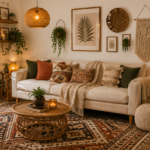
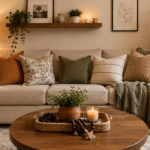
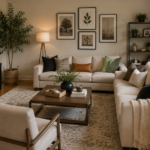
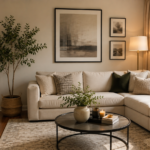

Walk into a truly minimalist home from a decade ago, and you might feel a little cold. White walls, glass tables, hard edges, not a single throw pillow in sight. It looked good in photos, but it didn’t always feel good to live in. That’s the tension a lot of homeowners have quietly felt for years, and it’s exactly what warm minimalism was designed to solve: they want the calm of a decluttered space, but they don’t want their living room to feel like a waiting room.
That’s exactly the gap warm minimalism fills.
Warm minimalism takes the “less is more” philosophy of traditional minimalism and pairs it with texture, natural materials, and soft, livable color palettes. The result is a home that’s still simple and uncluttered, but that actually feels inviting when you walk in and sit down.
In this guide, you’ll learn what warm minimalism really means, how it’s different from the stark minimalism you might be picturing, and how to bring it into your own home room by room — even on a modest budget. We’ll also cover common mistakes, quick wins, and answers to the questions people ask most often when they start this kind of redesign.
What Is Warm Minimalism?
Warm minimalism is an interior design approach that keeps the core principles of minimalism — simplicity, intentional furnishings, and open, breathable space — while layering in warmth through natural textures, soft lighting, and earthy color tones.
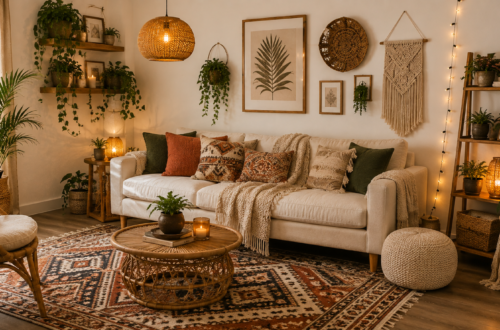
Think of it as minimalism’s more approachable cousin. Instead of stark white walls and glossy black furniture, warm minimalism leans on materials like linen, wool, rattan, and unfinished wood. Instead of pure white or gray, the palette shifts toward cream, sand, terracotta, and soft brown.
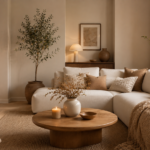
The goal isn’t to fill a room with more stuff. It’s to choose fewer things, but make sure each one adds comfort, character, or function. A warm minimalist living room might have just one sofa, one coffee table, and one rug — but that sofa is upholstered in a nubby boucle fabric, that table is solid oak, and that rug has visible texture underfoot.
Warm Minimalism vs Traditional Minimalism: What’s the Real Difference?
This is probably the question that brought you here, so let’s answer it directly.
Traditional minimalism prioritizes visual simplicity above almost everything else. It often uses cool, neutral colors (white, gray, black), hard and reflective surfaces (glass, chrome, glossy lacquer), and a strict “form follows function” mindset. Spaces can feel sleek, modern, and a little detached.
Warm minimalism keeps the same restraint around clutter and excess decoration, but it prioritizes comfort and sensory experience alongside simplicity. It swaps in matte and organic materials, warmer lighting, and colors pulled from nature.
Here’s a side-by-side way to think about it:
Color Palette
Traditional minimalism leans on stark whites, cool grays, and black accents. Warm minimalism uses creams, warm whites, terracotta, olive, and soft browns.
Materials
Traditional minimalism favors glass, chrome, polished concrete, and glossy finishes. Warm minimalism favors linen, wool, jute, rattan, clay, and raw or lightly finished wood.
Lighting
Traditional minimalism often uses cool-toned, functional lighting. Warm minimalism prioritizes soft, layered lighting — table lamps, dimmers, and warm bulbs — that mimics candlelight and golden hour.
Emotional Effect
Traditional minimalism can feel sleek but sometimes sterile or impersonal. Warm minimalism feels calm, grounded, and lived-in, while staying visually uncluttered.
Neither approach is “wrong” — they’re just built around different priorities. Traditional minimalism is about visual reduction. Warm minimalism is about reduction plus comfort. If you’ve ever pinned a hundred “minimalist bedroom” photos but felt like something was missing, warmth was probably it.
Why Warm Minimalism Has Become So Popular
A few real shifts are driving this trend, not just aesthetics for aesthetics’ sake.
First, more people are working from home, which means their living spaces need to support rest and focus, not just look good for guests. A cold, sparse room isn’t restful to spend eight hours a day in.
Second, there’s been a broader cultural pull toward slower living, sustainability, and natural materials — the same instincts behind the popularity of things like Japandi design (a blend of Japanese and Scandinavian styles) and biophilic design, which brings natural elements indoors.
Third, social media fatigue is real. After years of seeing identical, sterile “minimalist” homes online, people are craving spaces that feel more personal and human, even while keeping things simple. This lines up with research on Minimalism, which has found that incorporating natural materials and textures into interiors can genuinely reduce stress and improve wellbeing — not just make a room look nicer.
How to Create Warm Minimalism in Your Home
You don’t need to renovate or start from scratch to shift your space toward warm minimalism. Here’s a practical, room-by-room approach.
1. Start Your Warm Minimalism Palette With Neutral, Earthy Tones
Choose two or three core colors for your walls and large furniture pieces — think warm white, sand, or greige (a gray-beige blend) — instead of stark white or cool gray. This becomes your canvas. Everything else, from textiles to accessories, should complement it rather than compete with it.
2. Edit Before You Decorate
Before adding anything new, remove what you don’t need or love. Warm minimalism still depends on restraint — the coziness comes from texture and material, not from more objects. A helpful rule: if a piece doesn’t serve a function or genuinely bring you comfort, it probably doesn’t belong.
Show Image
Alt text: warm minimalism bedroom with linen bedding and natural textures
3. Layer in Natural Materials
This is where the “warm” really comes to life. Swap synthetic fabrics for linen, cotton, or wool. Add a wood coffee table instead of glass or metal. Introduce a jute or wool rug for texture underfoot. Even small swaps, like ceramic mugs instead of plastic ones, add up.
4. Focus on Lighting Temperature
Replace harsh, cool-white bulbs with warm-toned ones (look for bulbs labeled around 2700K–3000K). Add at least one or two lamps to each main room so you’re not relying solely on overhead lighting. Dimmer switches are a small investment that make a big difference in evening ambiance.
5. Bring in Organic Shapes and Greenery
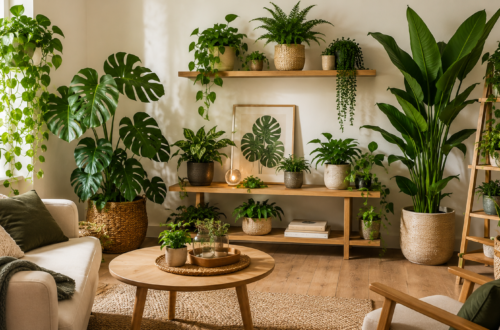
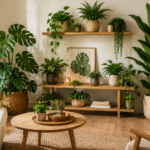
Traditional minimalism often uses sharp, geometric lines. Warm minimalism softens this with curved furniture edges, rounded mirrors, and organic pottery shapes. A few well-placed plants — a fiddle leaf fig, snake plant, or simple potted herbs in the kitchen — add life and softness without clutter.
6. Choose a Few Meaningful Accents
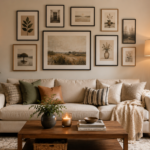
This is not about filling shelves with knickknacks. Instead, choose a handful of pieces that mean something to you — a handmade bowl, a family photo in a simple frame, a textured throw blanket. Warm minimalism allows personality; it just asks that personality be curated rather than scattered.
Common Mistakes to Avoid
Even with good intentions, it’s easy to drift too far in one direction. Watch out for these pitfalls:
Going too beige. Warmth doesn’t mean everything has to be tan or cream. Add depth with deeper tones like olive, rust, or chocolate brown in smaller doses.
Confusing “cozy” with “cluttered.” Warm minimalism is still minimalism. If your surfaces are covered in decorative objects, you’ve drifted into maximalism, not warmth.
Ignoring lighting. You can nail the color palette and materials and still end up with a cold room if the lighting is too bright or too blue-toned.
Buying everything at once. Warm minimalist spaces often look collected over time, mixing a vintage find with a new piece. Rushing to buy a whole matching set can actually work against the organic, lived-in feel you’re going for.
How to Achieve Warm Minimalism on a Budget
You don’t need a full furniture overhaul to get this look. Some low-cost starting points:
- Swap your lightbulbs for warmer tones (often under $20 for a whole room)
- Add a natural-fiber throw blanket or pillow covers instead of buying a new sofa
- Declutter one shelf or surface at a time and only put back what you truly use or love
- Introduce one or two plants
- Thrift a wood or rattan accent piece instead of buying new
Small, consistent changes compound. Many people find that simply removing excess and adjusting lighting gets them 70% of the way there before they spend a single extra dollar.
Frequently Asked Questions
What is warm minimalism in simple terms? Warm minimalism is a design style that combines the simplicity and decluttered feel of minimalism with cozy, natural materials, soft lighting, and warm color tones — so the space feels calm and inviting rather than stark.
Is warm minimalism the same as Japandi style? They’re closely related but not identical. Japandi specifically blends Japanese and Scandinavian design traditions, while warm minimalism is a broader approach that can incorporate Japandi elements along with other warm, natural influences.
Does warm minimalism cost more than traditional minimalism? Not necessarily. Because both styles emphasize buying fewer, better things, costs are often similar. Warm minimalism may cost slightly more upfront if you’re investing in natural materials like wool or solid wood, but it typically saves money long-term by reducing impulse purchases.
Can warm minimalism work in a small apartment? Yes — in fact, it’s especially well-suited to small spaces. The decluttered approach keeps rooms feeling open, while warm materials and lighting prevent a small space from feeling cold or impersonal.
What colors are best for warm minimalism? Warm whites, sand, taupe, terracotta, olive green, and soft brown work well as a base palette, with deeper accent tones like rust or chocolate brown used sparingly for contrast.
Final Thoughts
Warm minimalism isn’t about following a strict rulebook — it’s about proving that a simple, uncluttered home doesn’t have to feel empty or cold. By choosing natural materials, warmer color palettes, and thoughtful lighting, you can create a space that’s calm, functional, and genuinely comfortable to live in.
If you’re ready to start, don’t try to transform your whole home in a weekend. Pick one room, start with the lighting and a few material swaps, and build from there. Small, intentional changes are what make warm minimalism feel authentic rather than staged.
Looking for more room-specific guidance? Explore our related guides on minimalist bedroom design, Japandi living room ideas, and choosing the right warm lighting for your home to keep building your cozy, minimalist space room by room.